Sona Parmar··3 min read
Everything Right
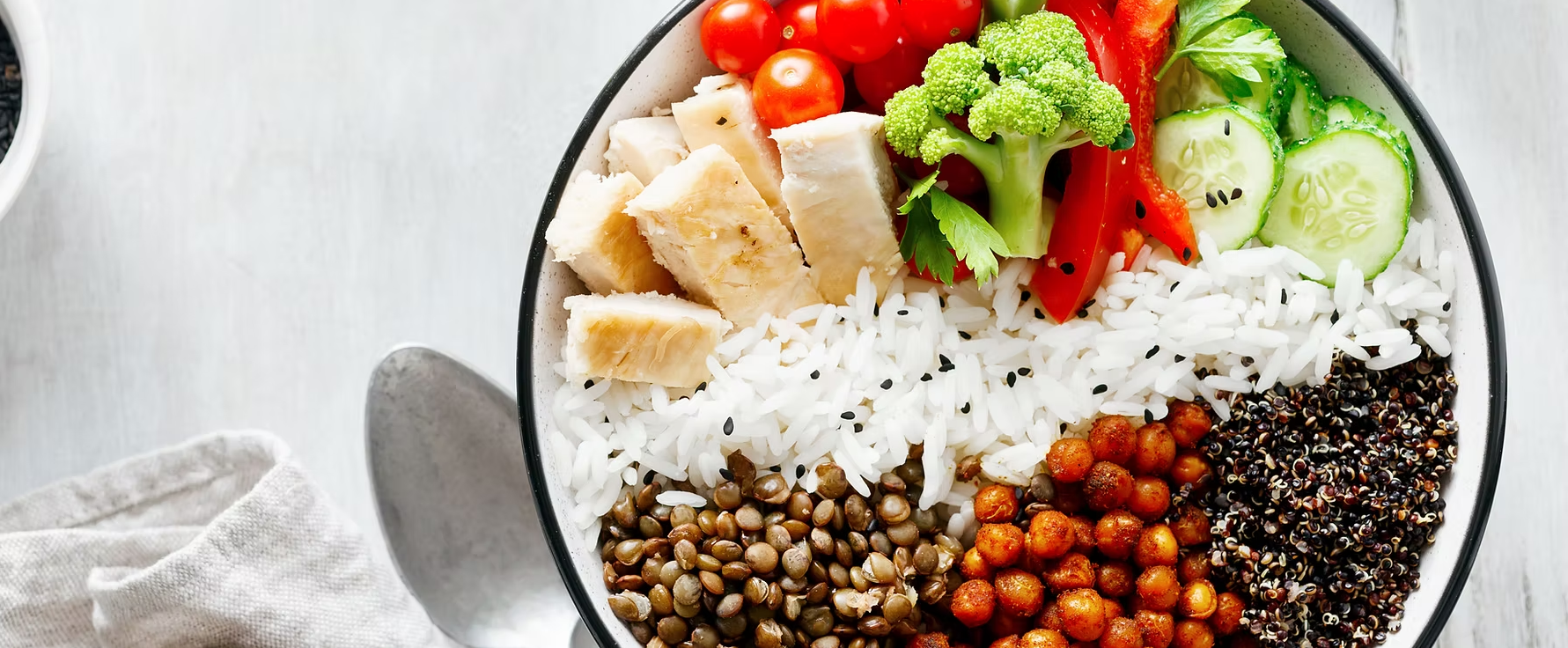
Tim, 52, was a healthy vegan. Lentils, quinoa, tempeh, sauerkraut, spring water, you-name-it. And he cycled to work.
Why would someone like this have high cholesterol?
When he came to see me, he explained that his GP was insisting on statins. His cholesterol had hovered around 6.5 mmol over the past year, and it should have been below 5.2 mmol. Given his lifestyle, he didn't understand what he was doing wrong. He couldn't possibly do any more.
Where we started was textbook: liver and gallbladder function, and regular bowel movements.
We addressed where the cholesterol was made (the liver), the release of the bile that breaks it down (the gallbladder), the herbs that help do this (milk thistle, artichoke, and dandelion), and how the emulsified cholesterol would be carried away (soluble fibre from foods such as beans, lentils, oats, carrots, and apples for healthy bowel movements).
All very useful — except Tim was already doing most of it. The man was eating exceptionally well, he exercised, he wasn't overweight, so there wasn't an obvious lifestyle culprit waiting to be removed.
So I kept looking.
During his initial consult, Tim briefly mentioned his divorce and his children, who now lived with their mother. Even the most amicable of divorces brings up a multitude of emotions, and the one I have most commonly seen is anger.
And in Traditional Chinese Medicine (TCM), the liver is the seat of anger.
Tim didn't describe himself as angry. Rather, he was remarkably matter-of-fact about the whole thing: "It's over. We've both moved on. What's there even to be angry about?"
Quite a lot, as it turned out. Perhaps most painful was the fact that he couldn't see his kids every day.
So while Tim had intellectually accepted the divorce, understanding something and processing it aren't always the same thing. It's like going to a restaurant and simply discussing what you're going to eat for an hour. You're going to be very hungry if you leave without ordering anything.
And so, for Tim, part of the work became forgiveness.
For years, whenever I saw that word, I wanted to run for the hills — and then some. Because I thought forgiveness meant acceptance, and acceptance meant saying that what somebody had done was acceptable.
Except it doesn't mean that at all. Acceptance simply means that this happened, I cannot unhappen it, and I am no longer willing to carry it everywhere I go. This was the work Tim still needed to do.
Nine weeks on, alongside the physical work and the work we had begun around his emotional life, Tim's cholesterol was 5.92 mmol/L. Was I hoping for a bigger drop? Absolutely. So was Tim. But bodies don't work to deadlines. A reading that had hovered around 6.5 mmol/L for the previous year was finally moving in the right direction, and sometimes that is what progress looks like. We weren't finished quite yet.
Tim had been extraordinarily disciplined about what he put into his body. Now it was time to pay the same attention to what he was carrying around inside it.
What are you carrying that you're not aware of? And are you really doing "everything right"?