Sona Parmar4 min read
The Task
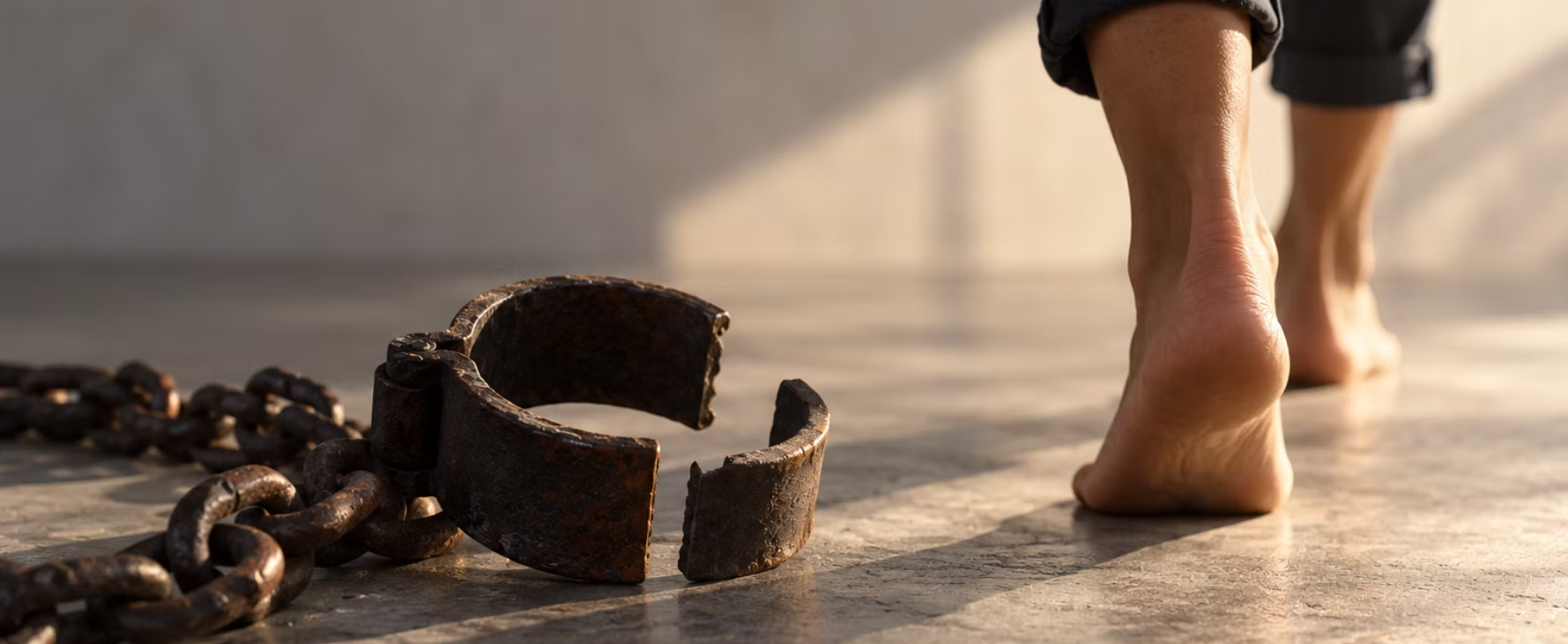
"The task that prevents you from the task is the task."
These were the words I said to Leo, 36, who had come to see me with long COVID.
Let me back up a bit.
Leo was one of those guys who would always get sick. If it was going round, he would get it. Fast forward to 2020 and COVID: not only did he get it, but he never quite recovered.
When he came in, he still had brain fog, low energy and this general feeling of bleh, that he just couldn't shake. He suspected COVID was responsible, partly because his sense of taste still hadn't fully returned.
Leo told me he had all these things he wanted to do: go trekking with his girlfriend, go diving in Australia, and he has always wanted to complete the Iron Man. Big plans, especially when getting through an ordinary day felt like an endurance event.
And that's when I said those words to him: "The task that prevents you from the task is the task."
If he didn't deal with his health, there were no mountains, oceans, or triathlons. His health was the task, the only task (I'm a huge proponent of one thing at a time).
And the first thing I felt Leo needed was something no one really likes to do: get present. I say this, because the breath is all about getting and being present. If you can't breathe, you're not here now. You can't be here now.
I gave Leo a simple five-minute exercise to clear the stagnant energy from his lungs, and he did that twice a day. Because until the stale energy was totally expelled and the alveoli woken up, no amount of good diet or exercise would work as well as it could.
Dietary changes involved taking out the food that could potentially hinder his progress, namely mucous-forming foods like dairy, banana, and eggs. We also added supplements like magnesium to relax his airways and diaphragm.
As I took Leo through his programme, I told him that he may notice certain emotions coming up. In Traditional Chinese Medicine (TCM), the lungs are linked with grief so crying - even a lot of it - would be very normal for a treatment like this. Leo had to let go of the baggage he was carrying around in his lungs, if he was going to live the life he so wanted.
Leo's breathing was markedly better after just two weeks. He had really committed to his mini lung workout, doing it twice a day, every day. The grief came later, at the four-week check-in. Leo said he was glad I had warned him about it. He said he found himself revisiting all sorts of grief: losing his father, the injustice of being fired from a job when he was just starting out, things that had happened years before. He hadn't expected that. And he kept going.
Six weeks in, Leo's energy was almost back to normal, and his mind was much clearer. The fog that had accompanied him for so long was finally lifting.
At his twelve-week check-in, Leo seemed like a different man. Stronger. Clearer. Even the way he held himself had changed. It reminded me of why I do what I do.
What struck me about Leo wasn't just how much he'd improved. It was how little he'd needed to begin. He had come in with an Ironman-sized ambition, and we'd started with five minutes. Twice a day. No grand overhaul, no heroic effort. Just dealing with the thing that was standing between him and everything else.
And somewhere along the way, he'd found himself dealing with things he hadn't even realised were still weighing him down.
"The task that prevents you from the task is the task."
So what's your task?
We spend our lives concentrating on the things we want to achieve, while avoiding the things that weigh us down. Some things aren't obstacles in our path. They're shackles we've forgotten we're wearing.
For Leo, it was the release from his lungs.
What do you need to let go of? What's your task?